Where silk was born
Asia
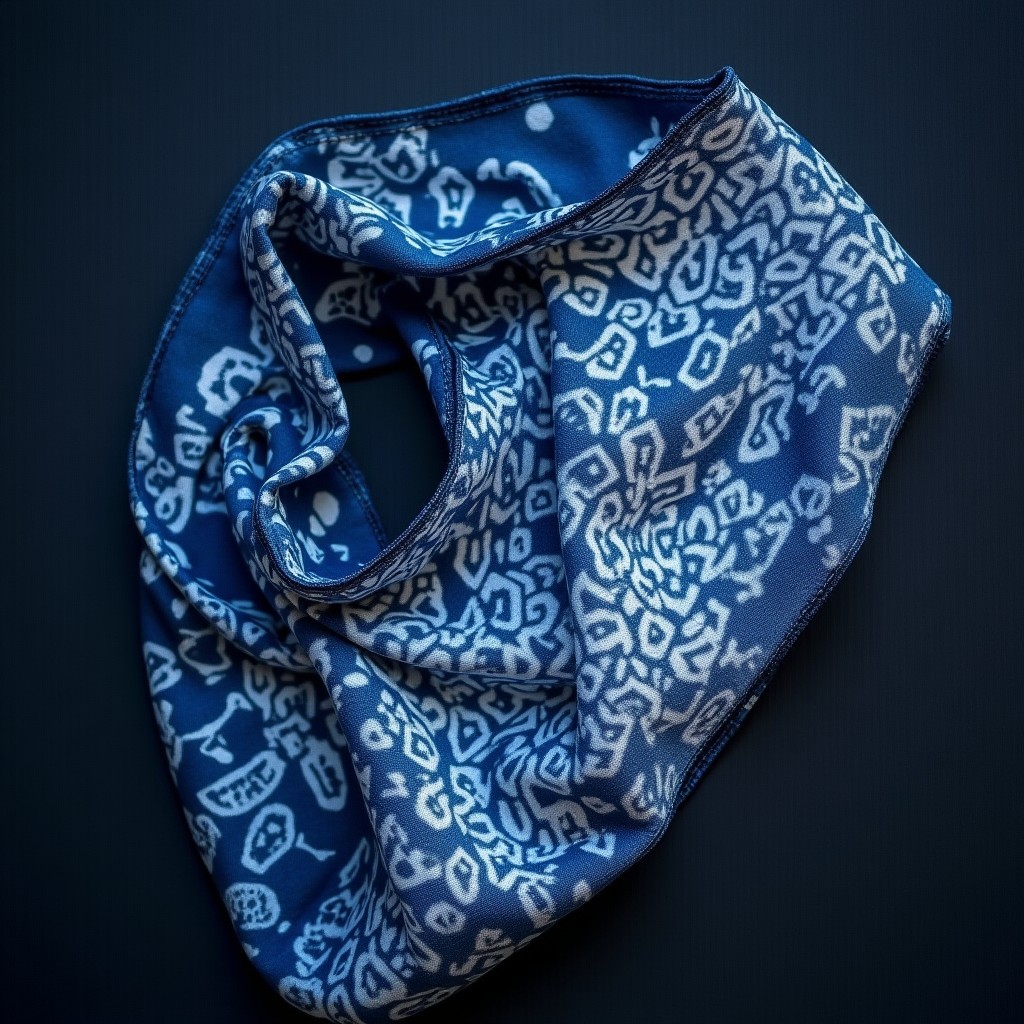
Japan’s shibori indigo and India’s block-printed Rajasthan share a common thread: the conviction that making something slowly, by hand, is the only way to make something that lasts. Asia holds many more such convictions. We intend to find them.

Finest silk dyed with natural roots.
Collections from Asia
By motif
Buta
The almond-flame — the motif at the base of the Bakı type, and the first shape a master learns to carve.
39 pieces
SHOP →Çələng
The wreath — flower heads closed into a ring at the heart of the cloth.
5 pieces
SHOP →Şəmsə
The sun medallion — the ancient solar sign pressed at the centre of the kelaghayi.
9 pieces
SHOP →By colour
Göy
The blues — counted among the healing colours, worn to turn the eye away.
23 pieces
SHOP →Al
The reds — al is the bride's colour, the scarf a mother-in-law gives, that veils the face and swaddles a first child.
15 pieces
SHOP →Yaşıl
The greens — one of the seven colours of the yeddi rəng, the palette a master must command.
9 pieces
SHOP →Bənövşə
The violets — alvan, the living colour a young woman is expected to wear.
11 pieces
SHOP →Qızıl
The golds — onion skin and ochre, the tones the earth gives up most readily.
8 pieces
SHOP →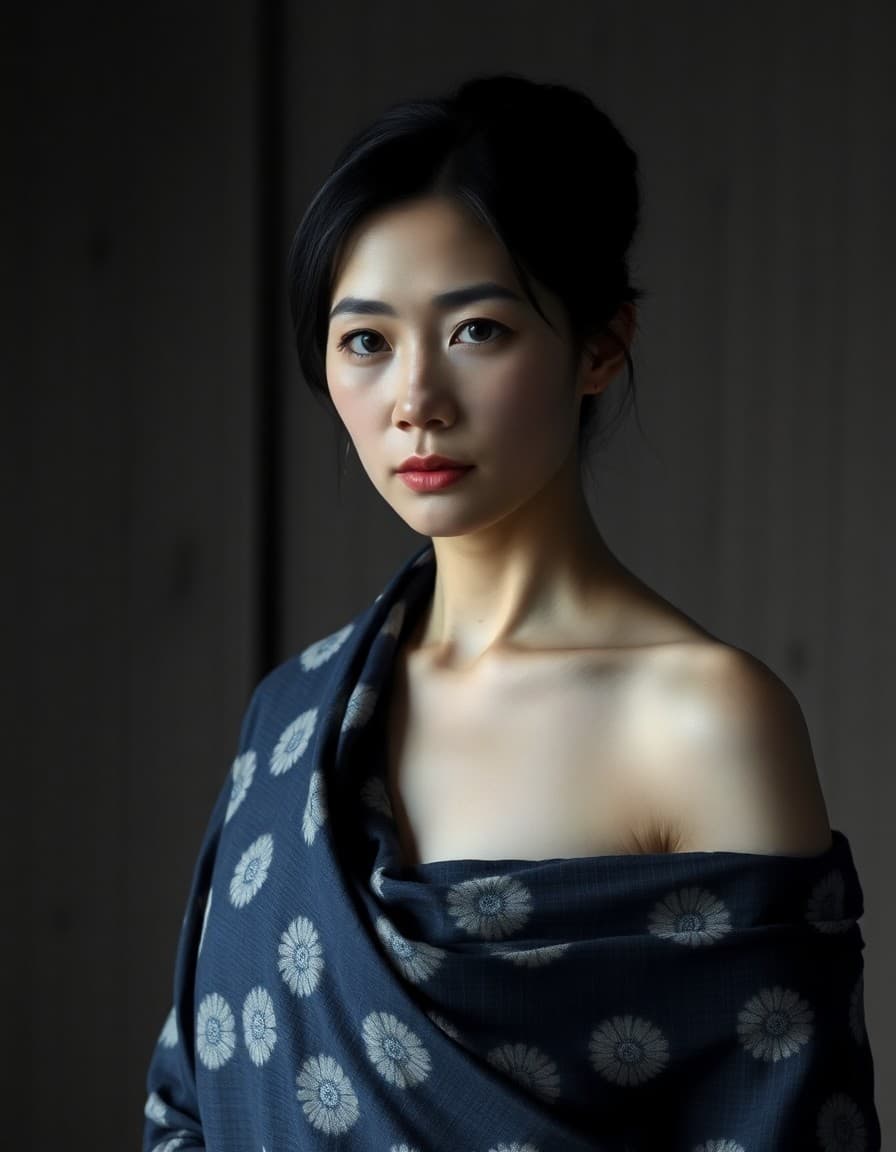
Japan
Yuki Tanaka
Yuki Tanaka is a Kyoto-based artist trained in the traditional Japanese dyeing technique of shibori — a resist-dyeing method that creates pa…
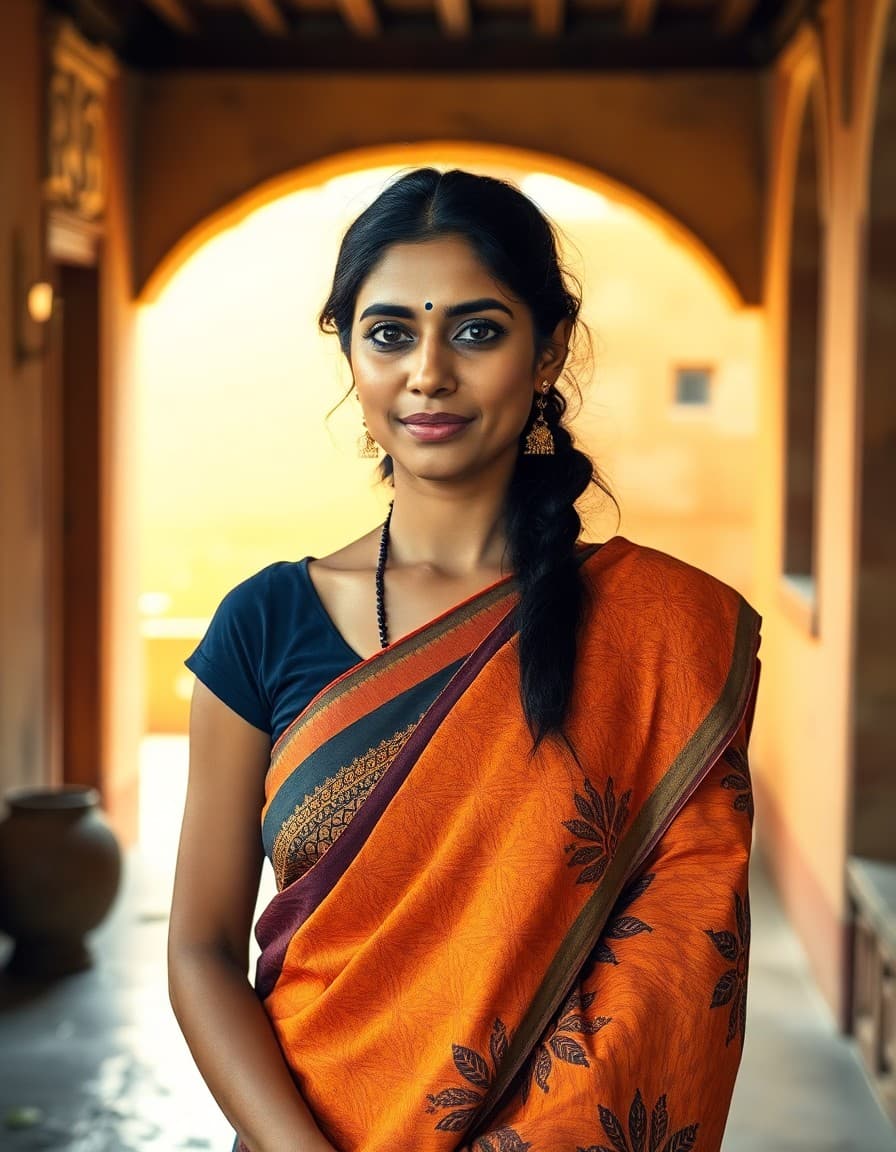
India
Priya Sharma
From the desert city of Jaipur, Priya Sharma is a master of traditional block printing and natural indigo dyeing. Drawing her visual languag…
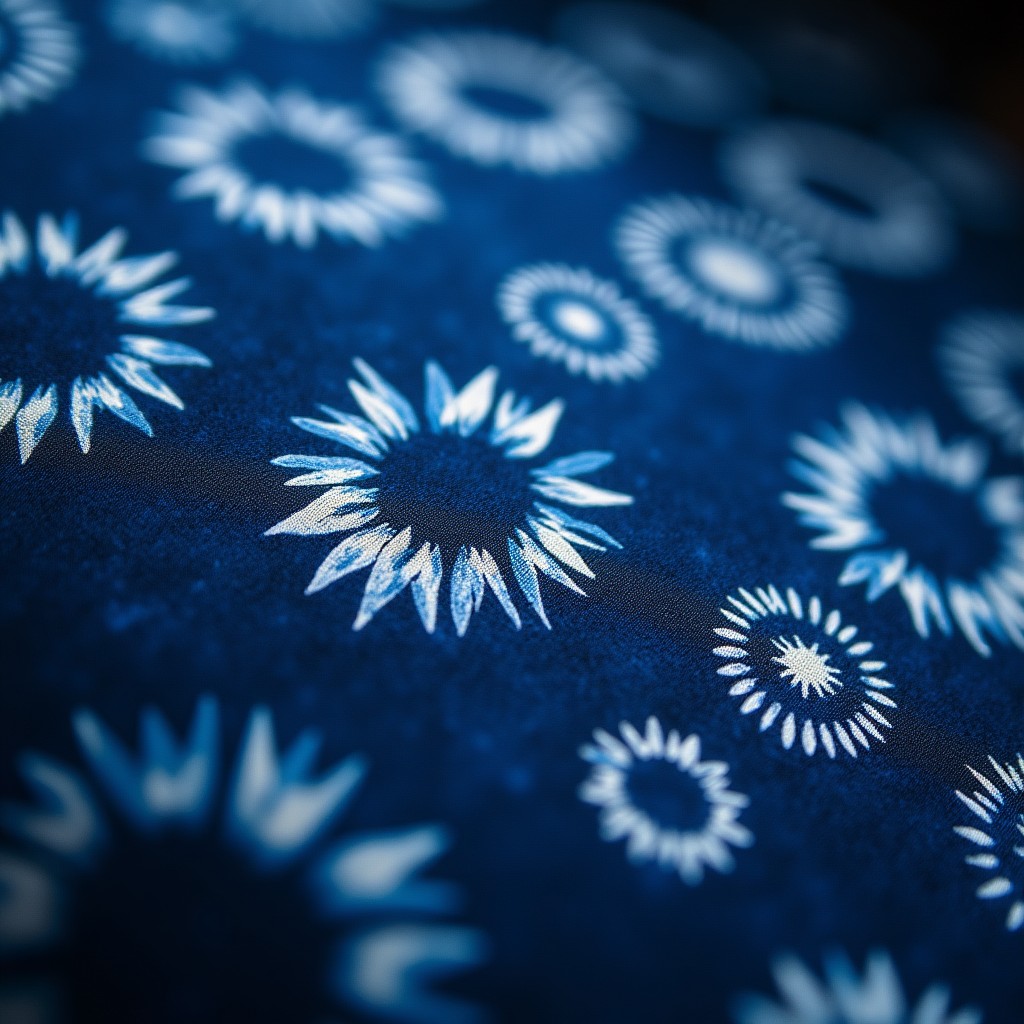
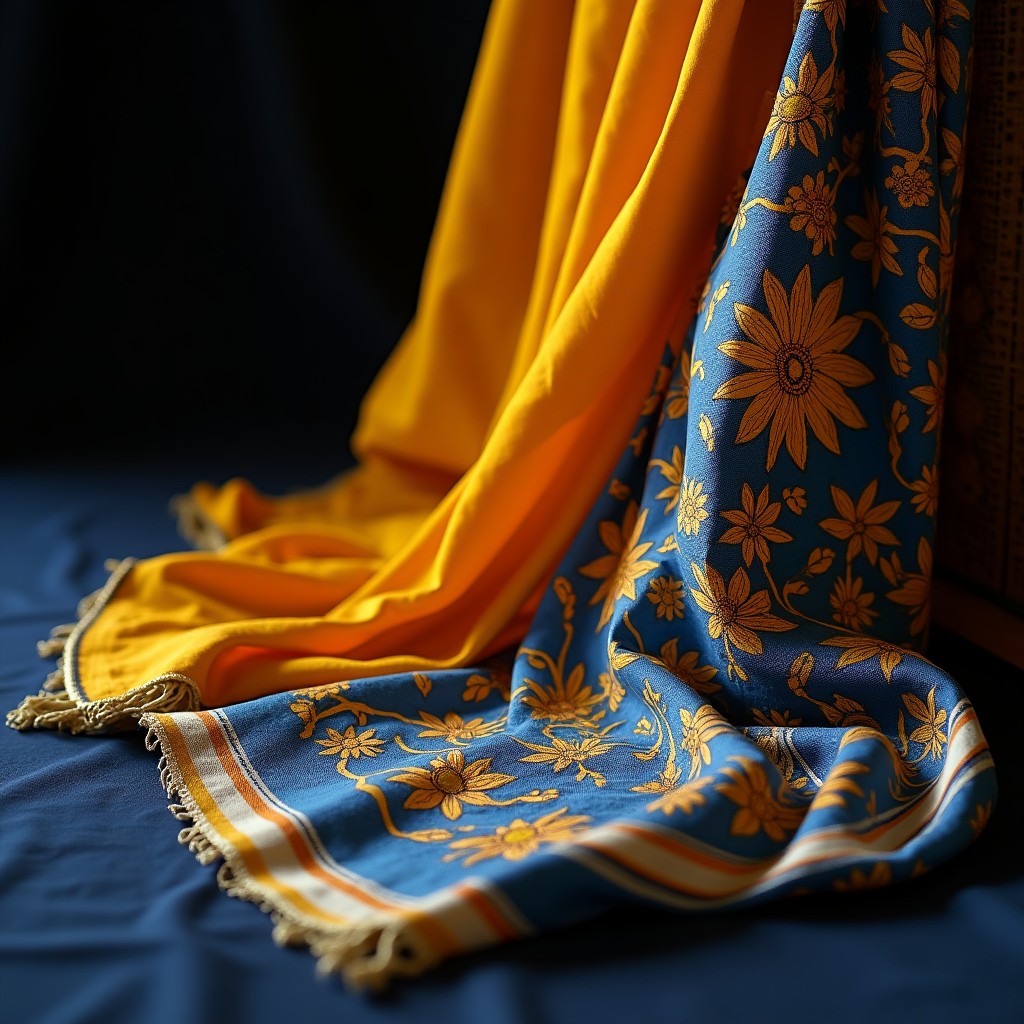
Yuki Tanaka
Yuki Tanaka is a Kyoto-based artist trained in the traditional Japanese dyeing technique of shibori — a resist-dyeing method that creates patterns through folding, twisting, and binding silk before submersion in natural indigo dye baths. She trained for seven years under master dyer Hiroshi Murata in the Nishijin district. Her designs carry the quietude of a Zen garden.
What a region means here
The artists are grouped by where they draw from, not by where the silk is made. Every piece on this page was dyed in the same place — Şəki, in north-western Azerbaijan — regardless of which region the drawing came out of. The region is the origin of the pattern, not of the cloth.
That distinction is the whole arrangement. A drawing travels: it is sent, discussed, redrawn to survive a block, cut into pear or walnut, printed in hot wax and dyed in plant colour. What arrives at the end carries two places at once, and the piece is named in Azerbaijani because that is the language the vocabulary of the craft is in.
Why the collections are not regional
The collections below are cut by motif and by colour — buta, çələng, şəmsə, and the colour terms al, göy, yaşıl, bənövşə, qızıl — because that is how a kelaghayi has always been described. A piece is read by what is on it and what it was dyed in, not by which country its designer lives in.
So an artist from this region will appear across several collections, and a collection will hold work from several regions. Both indexes point at the same catalogue from different sides.
How it was made
A kelaghayi is made in four stages, and the order never changes: the silk is woven, the stamps are cut, the pattern is printed, and last the cloth is dyed. Dyeing is the stage everything else answers to. The workshop it happens in has its own name, the kupkhana, and so does the person who does it — the boyaqchi, who was traditionally held to be the figure the whole process turns on.
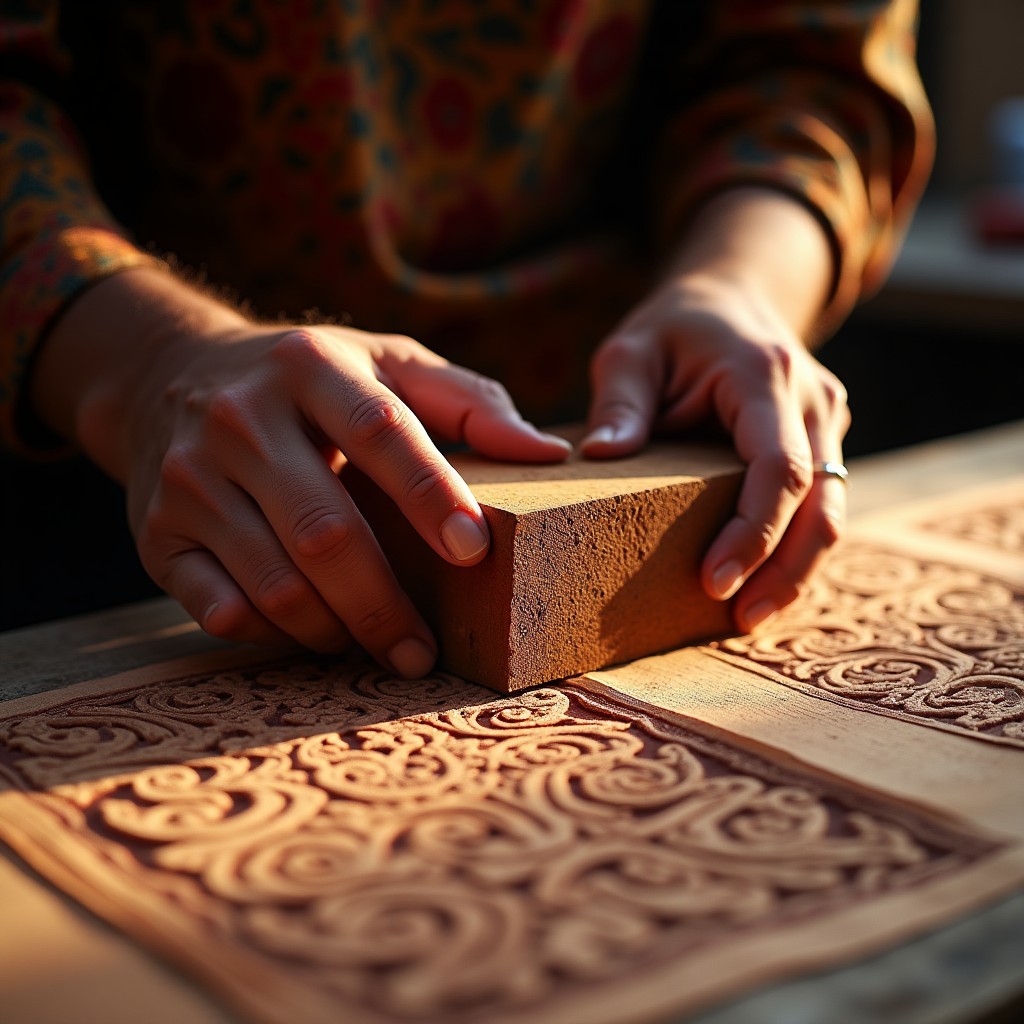
The stamps are cut from hardwood, pear or walnut, and in Basqal there are households still printing with blocks more than three hundred years old. The block is charged with hot wax and pressed to the silk; wherever the wax sits, the dye cannot reach. Then the cloth goes into the vat, the wax is boiled out, and if the pattern calls for a second colour the whole sequence runs again. The master is handling boiling dye and heavy stencils throughout, which is why the craft has always been described as physical work rather than delicate work.
Only plants, tree bark and flowers go into the dye. The golden tones come from something as ordinary as onion skin. Because every step is done by hand, two scarves are never quite the same — the tradition takes that as a fact about the process rather than a flaw in it.