About Navohi
Not a product. A story on silk.
Navohi is not a fashion brand. It is an argument — that the oldest craft traditions in the world are not relics. They are the most sophisticated design language that exists. We put that language on silk.
The Artist
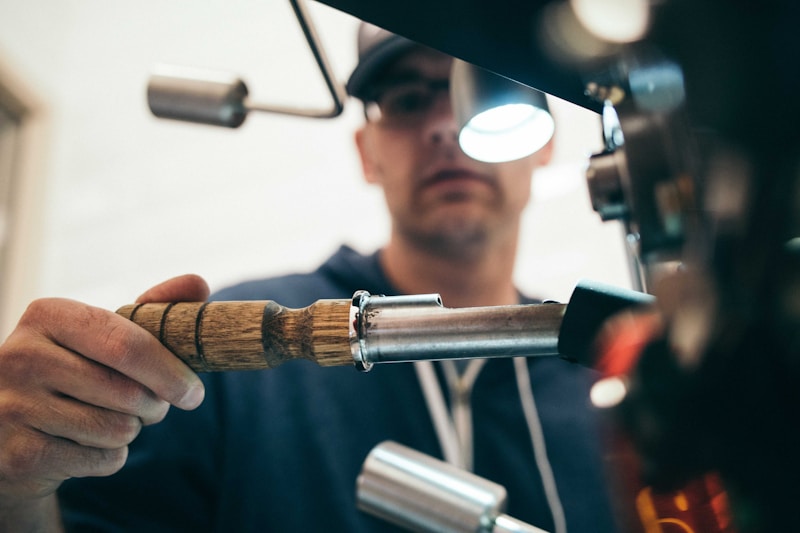
From Lagos to Saimaa, from Tokat to Kyoto — each artist brings a tradition that has been alive for centuries. They do not decorate silk. They translate a visual language that their culture developed over generations onto a material it has never touched before.
The Silk
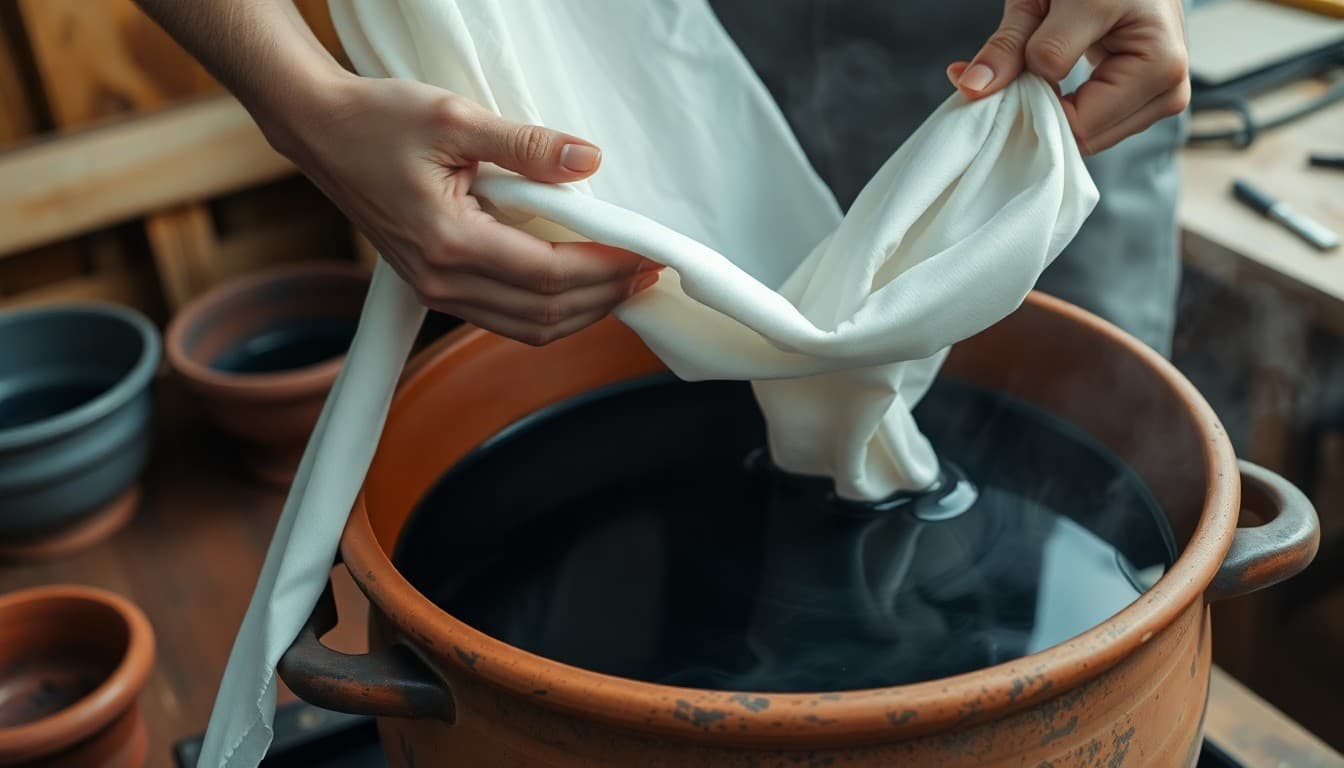
Every Navohi piece begins in Şeki, Azerbaijan — a city that has been producing silk since the 7th century and exporting it since the Silk Road was the only road. The mulberry groves, the silkworm, the single 1,500-metre thread inside each cocoon — nothing in this process has changed because nothing better has been found.
The Master
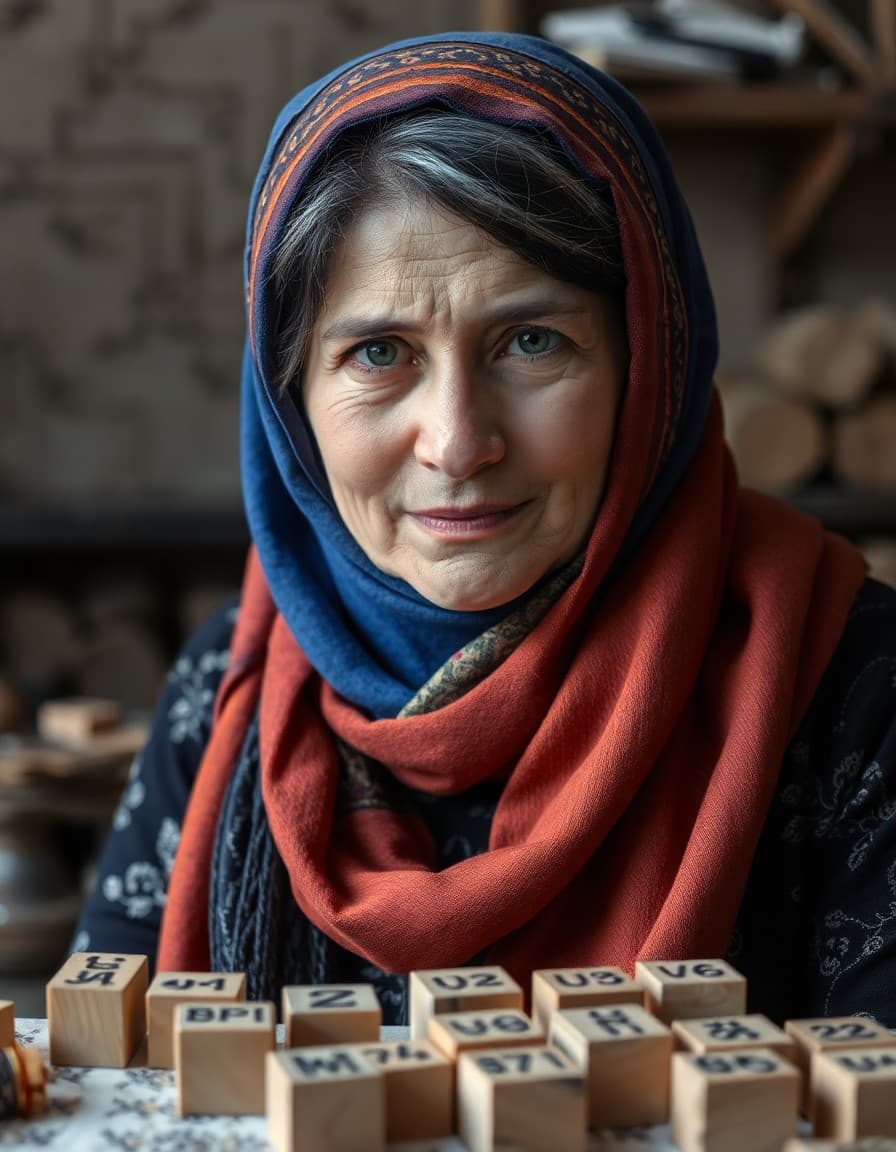
Narmin Hasanova is a fourth-generation kelaghayi master in Şeki. Her family has been pressing wooden stamps into silk for over a hundred years. The technique is transmitted exclusively through apprenticeship — it has never been written down, because writing cannot capture what the hands know after ten thousand wrong impressions.
Why Navohi exists
The world produces 200,000 tonnes of silk per year. Most of it is printed by machine with synthetic dye in 40 seconds. A Navohi scarf takes six weeks. We are not competing with fast fashion. We are not even in the same category. We make objects that carry the DNA of a place, a person, and a tradition — objects that deepen with time rather than fade. There is a market for this. It has always existed. It is the market for things that mean something.
12
Artists
From 12 countries across Africa, Asia, the Americas and Europe. Each with a living craft tradition.
5
Continents
Every region of the world except Antarctica has contributed a visual tradition to Navohi.
1,500 yrs
Of silk in Şeki
The Şeki valley has been producing silk continuously since at least the 7th century AD.
0
Synthetic dyes
Every colour in every Navohi piece comes from pomegranate, walnut, madder, indigo, or weld. From the earth.
What we believe
“We believe that the oldest craft traditions in the world are not relics to be preserved in museums. They are the most sophisticated design languages that exist — refined over centuries by people whose entire lives were devoted to a single gesture. We believe that silk from Şeki, pressed by a kelaghayi master whose family has done this for four generations, carrying the visual language of a Yoruba grandmother in Lagos or a Stone Age rock painter in Finland, is not a product. It is proof that the world is more connected than it knows.”
NAVOHI · MADE IN ŞEKİ, DESIGNED FOR THE WORLD
Get in Touch
For press inquiries, wholesale partnerships, artist collaborations, or if you simply want to tell us that something moved you.