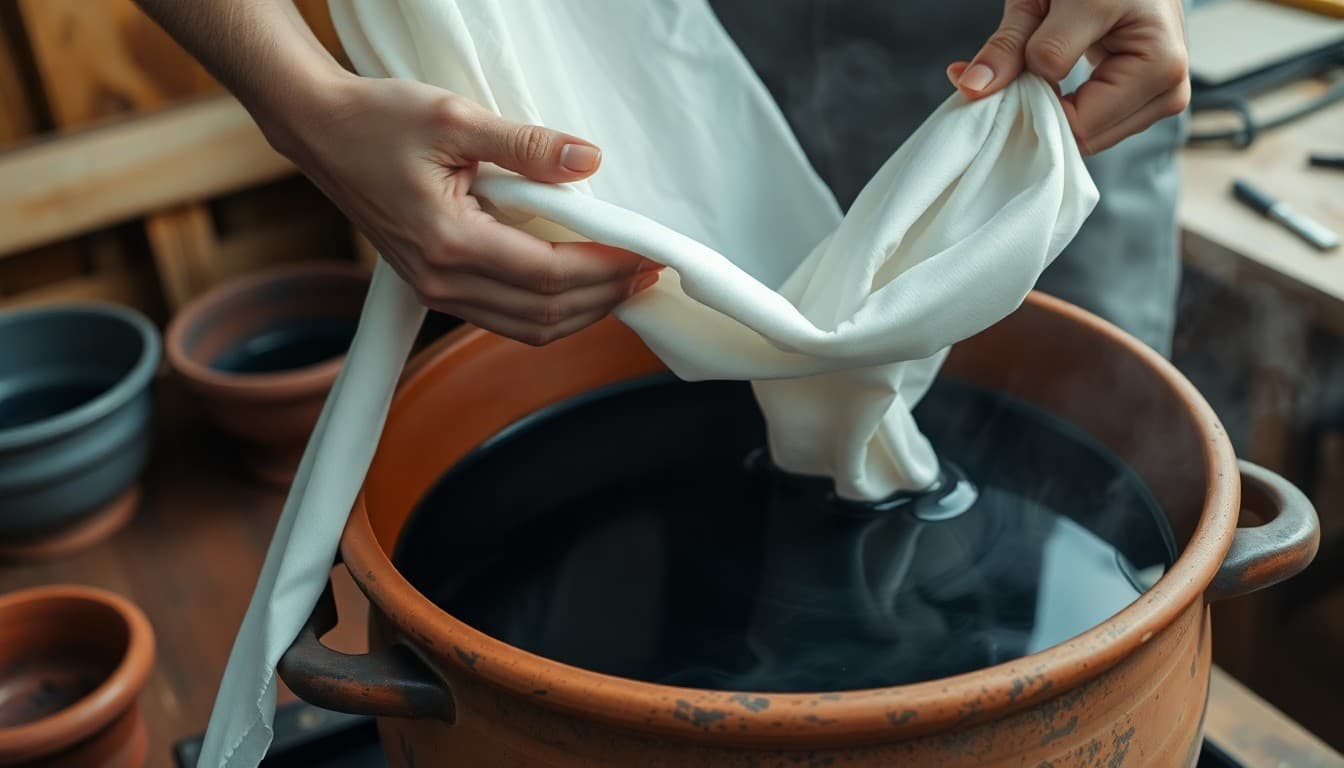
Şeki, Azerbaijan
The Silk
The silk that made the Silk Road worth naming.
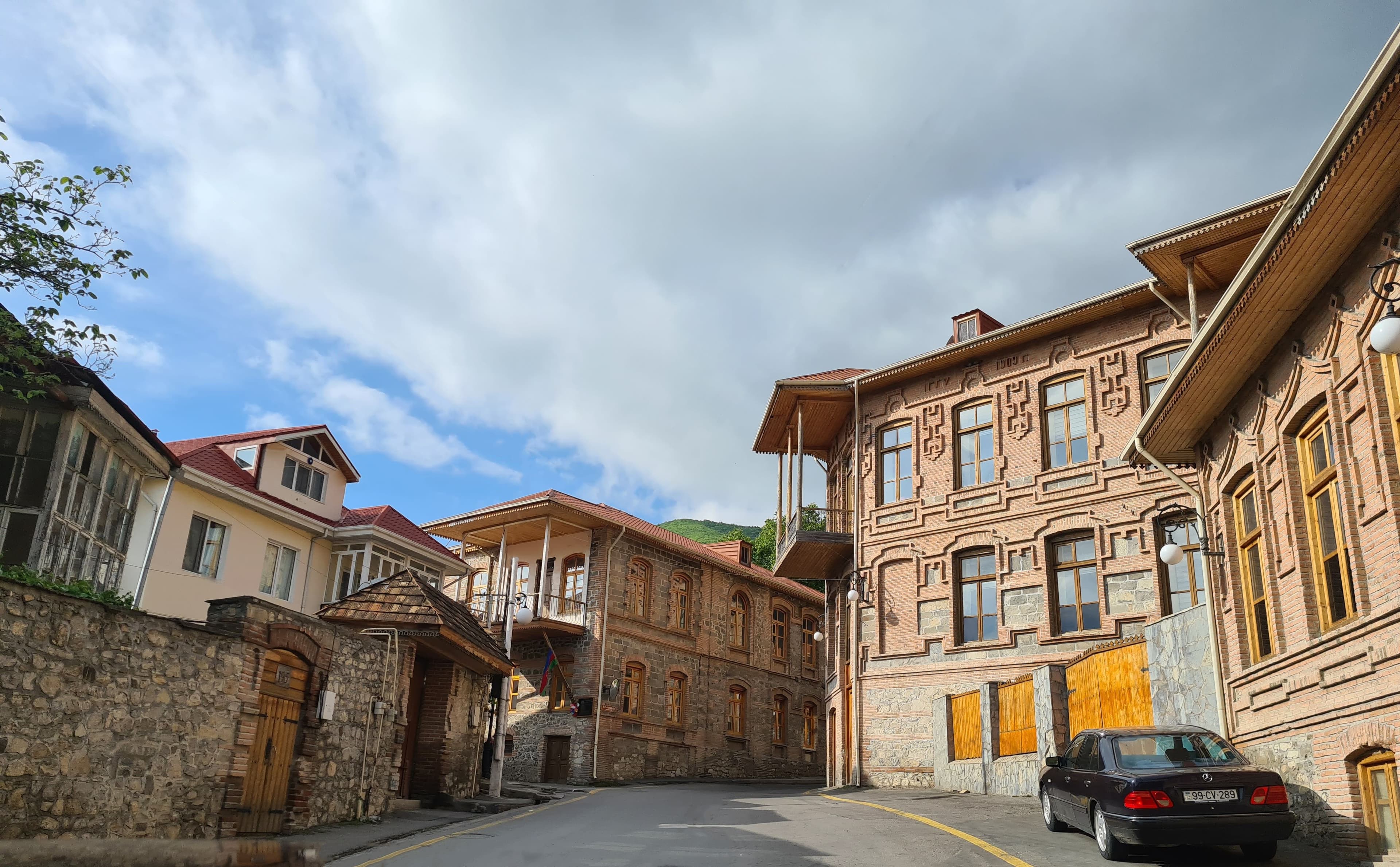
A city built on silk
Şeki
Şeki sits in the foothills of the Greater Caucasus, where the mountains trap moisture and the valleys stay green through summer. For over a thousand years, this geography made one thing possible: the white mulberry tree.
The silkworm feeds only on white mulberry leaves. It cannot be rushed. It cannot be industrialised without becoming something else. The Şeki valley understood this long before the rest of the world began to forget it.
At its peak, the Şeki Khanate was one of the most prosperous territories of the Caucasus — not because of oil or gold, but because of silk. Caravans from China to Constantinople passed through here. Venetian merchants knew this city's name.
The silk trade collapsed in the twentieth century. The factories closed. The looms fell silent. But the families did not forget. The knowledge passed from grandmother to granddaughter, from master to apprentice, in kitchens and courtyards, never written down, never needing to be.
From leaf to thread
Every step by hand. Every step in Şeki.
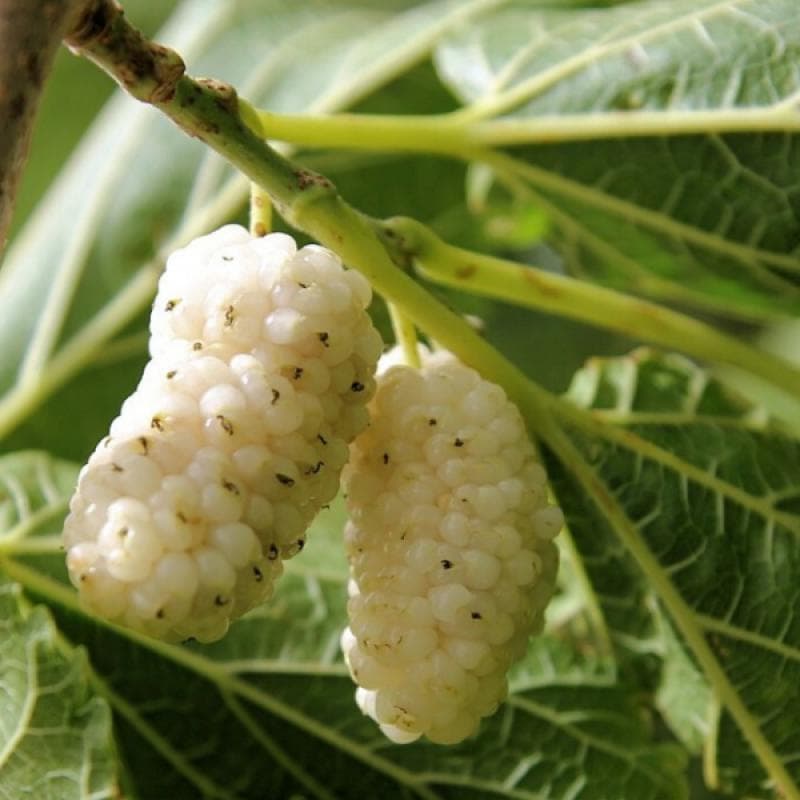
THE WHITE MULBERRY — Morus alba

THE COCOON — harvested by hand
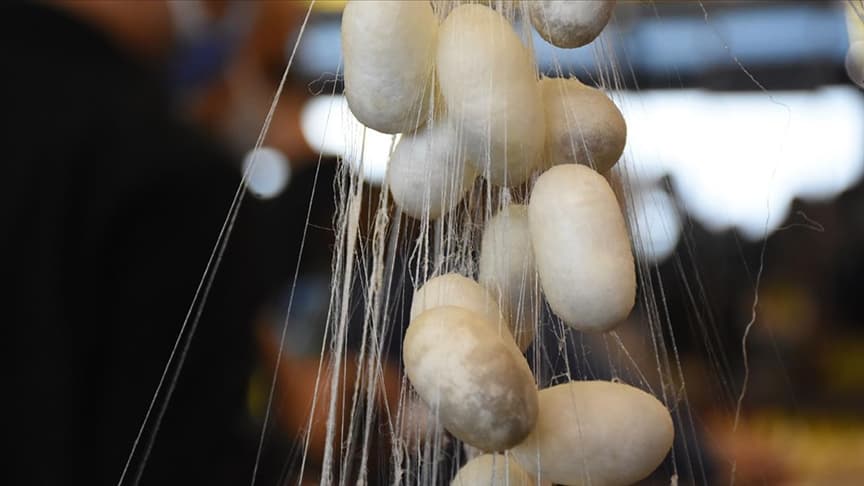
THE THREAD — unwound in hot water
The silkworm spins its cocoon over two to three days, barely pausing. Inside, a single continuous thread — up to 1,500 metres long. This is what becomes a Navohi scarf. Not yarn. Not fibre. A single thread, spun by an insect, unwound by human hands.
The technique · Kelaghayi
A resist that remembers
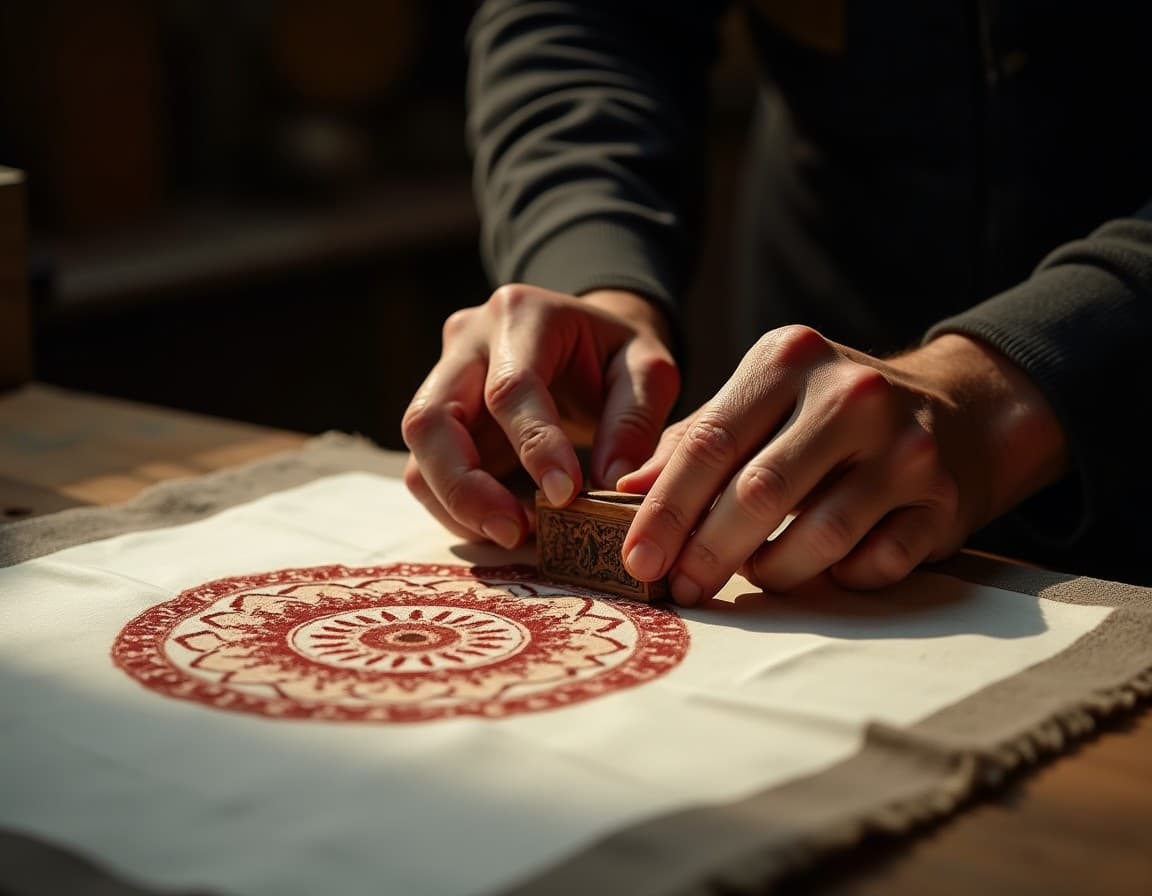
The galib is a wooden block, hand-carved with geometric patterns. In Basgal the blocks are handed down a family rather than replaced, and some still in use are more than three hundred years old. The master dips it in a mixture of paraffin and rosin — substances that repel dye — and presses it onto white silk with a precision that takes years to learn.
This is the resist. Wherever the galib touches, the dye cannot enter. The pattern is not painted on. It is protected from colour, and what remains is light on dark — the geometry of a tradition that survived the Soviet era, the decline of the Silk Road, and the arrival of the printing machine.
In 2014, UNESCO inscribed the Kelaghayi tradition on its Representative List of Intangible Cultural Heritage of Humanity. The citation notes: a practice transmitted exclusively through non-formal apprenticeship, primarily within families.
The colours · Kök boya
Colours that deepen with age
Every colour in a Navohi piece comes from the earth.
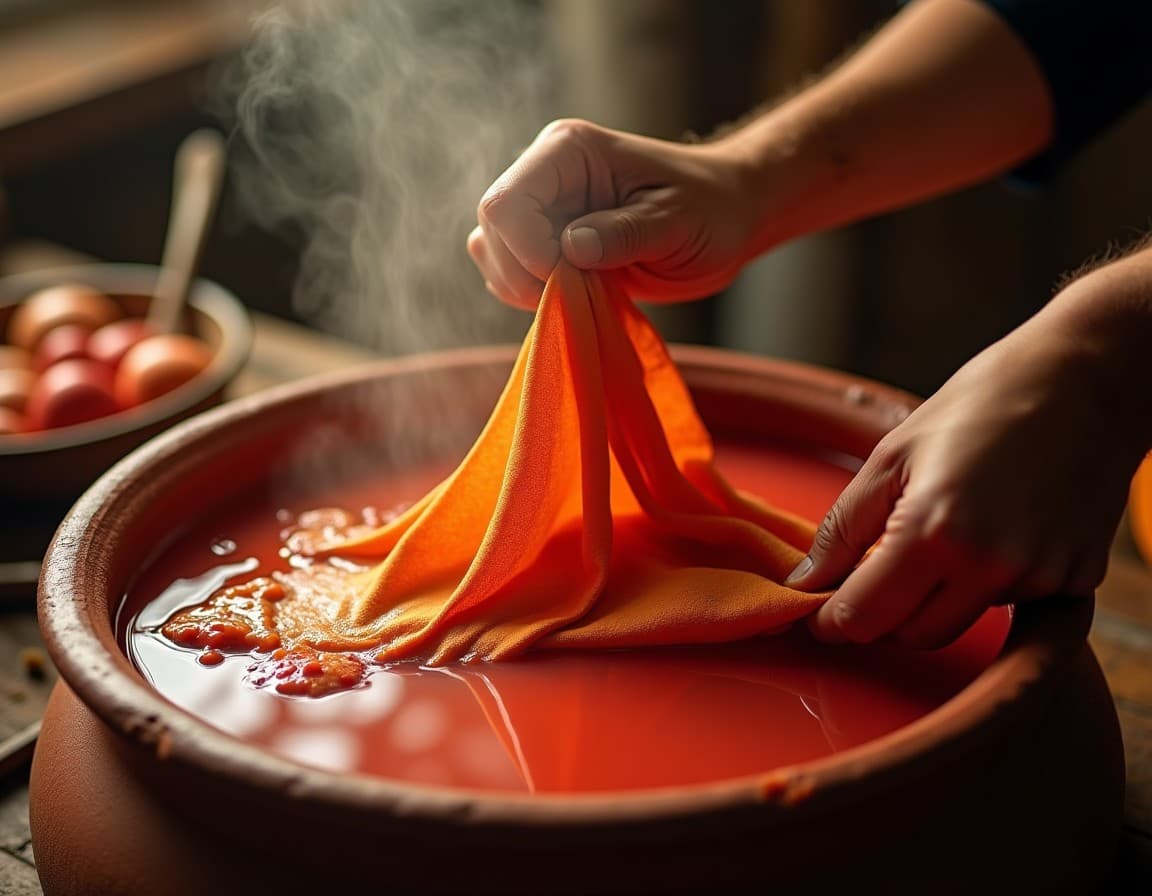
Pomegranate rind yields a deep burnt orange-red, the colour of Caucasian autumn. Madder root gives the crimson that dyed Byzantine tapestries. Walnut shells produce the darkest brown — nearly black, nearly warm. Indigo, the oldest dye in the world, turns silk the colour of deep water.
Synthetic dyes were invented to replace these. They are cheaper, faster, and perfectly consistent. They are also finished — a synthetic-dyed fabric fades toward nothing.
A kök boya — root-dyed — Şeki silk does something different. It fades into itself. Ten years from now, worn and washed and carried, the colour will be deeper, more complex, more yours. This is not an accident. It is the chemistry of something that grew from the ground.
2014
UNESCO Recognition
Kelaghayi inscribed on UNESCO’s Intangible Cultural Heritage list — the craft of Şeki and Basgal, named and protected.
7 plants
Natural dye sources
Pomegranate, madder, walnut, indigo, weld, sumac, pomegranate blossom. Every colour from the earth.
1,500 m
Per cocoon
A single silkworm thread inside each cocoon. Unwound by hand. Woven in Şeki. Worn by the world.
The craft, still living
A short film about the Kelaghayi masters of Basgal — the village on the old Silk Road where the blocks are still cut by hand and the silk still stamped one press at a time.
Basgal village, Azerbaijan. Filmed by Euronews. The technique you see is the same technique used in every Navohi piece.
We could have sourced silk anywhere.
We didn't.
Bursa produces silk. Como produces silk. China produces more silk than the rest of the world combined.
We chose Şeki because Şeki is not just a source. It is an argument.
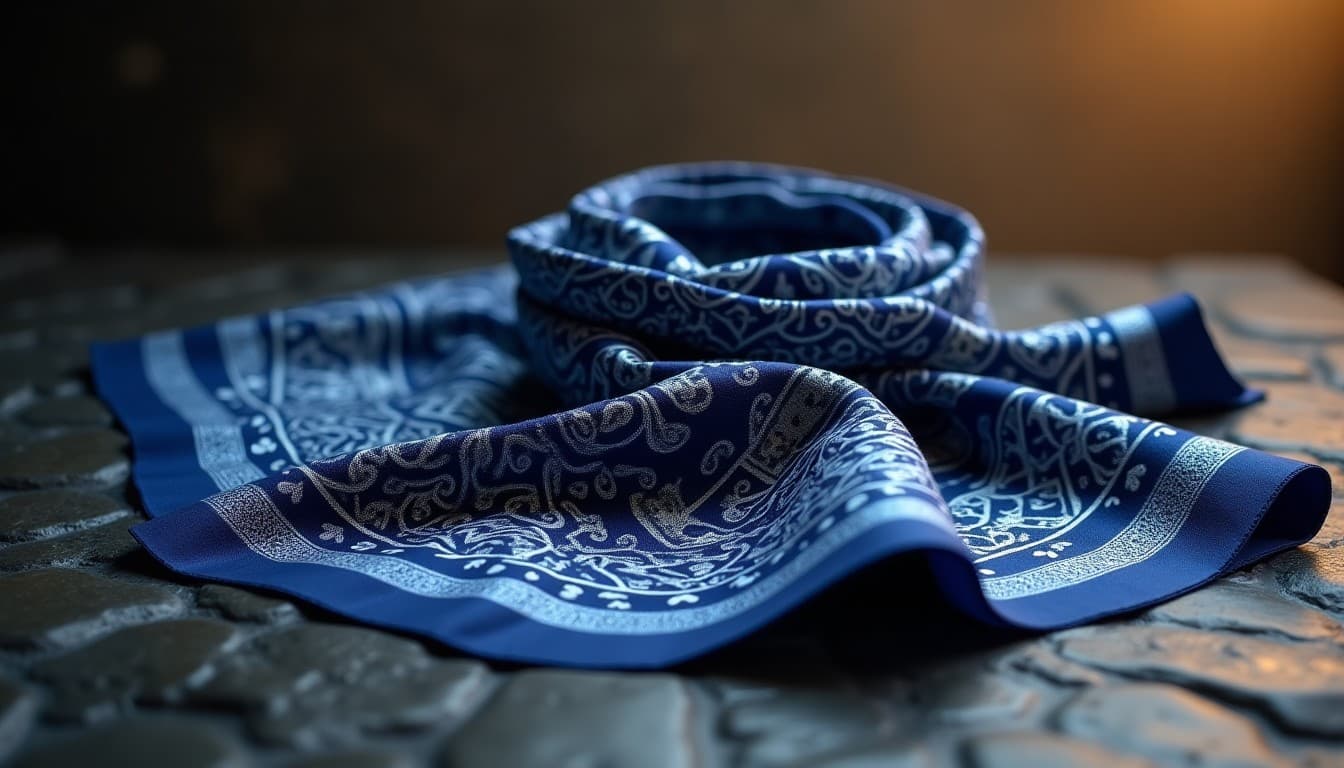
When a kelaghayi master presses a wooden galib onto white Şeki silk, centuries of craft meet the specific thread spun by a silkworm that fed on the leaves of a valley it cannot be separated from. The result is not a product. It is a place.
Navohi exists to take that place to the world — through the hands of artists from Lagos, Kyoto, Oaxaca, Jaipur, and Helsinki. The designs change. The artists change. The silk does not change.
Every Navohi piece begins in Şeki. That is not a detail. That is the point.
Where kelaghayi lives
Two villages. One tradition.
ŞEKİ · North Azerbaijan
The ancient capital of the Şeki Khanate. A silk-producing city for fifteen centuries. In the 19th century, the Şeki silk factory was one of the largest in the world — 7,000 workers, exporting to Japan, Switzerland, and Italy.
The Soviet era nearly extinguished it. The factory closed. The workers dispersed. But the families kept the wooden stamps. The masters kept the recipe for pomegranate resist. The knowledge survived in kitchens and courtyards, exactly where it had always lived.
Today, the Şeki silk factory operates again. The masters press galiblar into silk with the same gesture their great-grandmothers used. The city smells of mulberry in June.
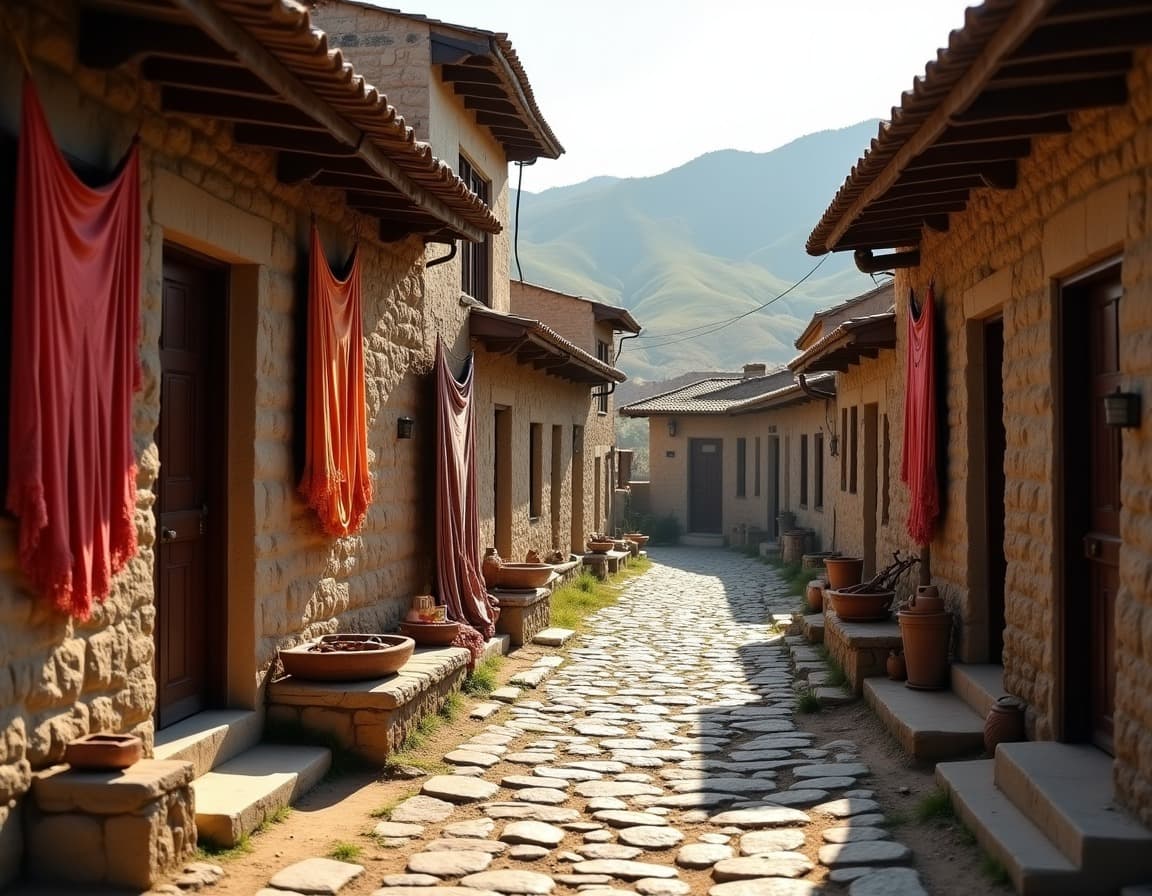
BASGAL · Ismayilli District
Sixty kilometres from Şeki, deep in the mountains of the Ismayilli district, sits Basgal — a village that considers itself the true home of kelaghayi.
In 1862, Basgal weaver Nasir Abdulaziz traveled to London for the International Exhibition. He brought kelaghayi. He returned with a silver medal and a diploma.
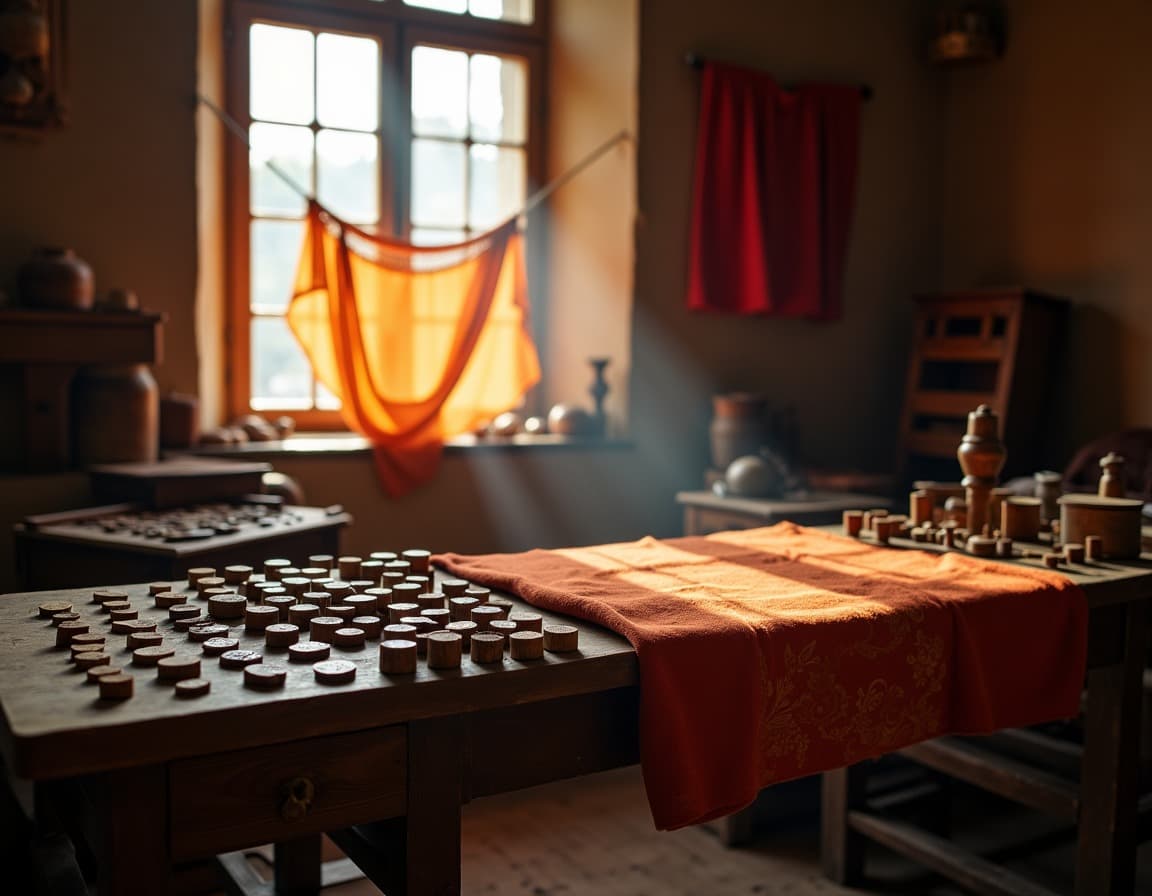
Today, the Basgal Silk Centre operates from a low-tech workshop of cauldrons, barrels and wooden stamps. Masters Nizami Mammadov and Abbasali Talibov, who learned from their grandfathers, still work there.
Both villages. Both traditions. Both in every Navohi piece.
Places that carry the memory
The geography of silk
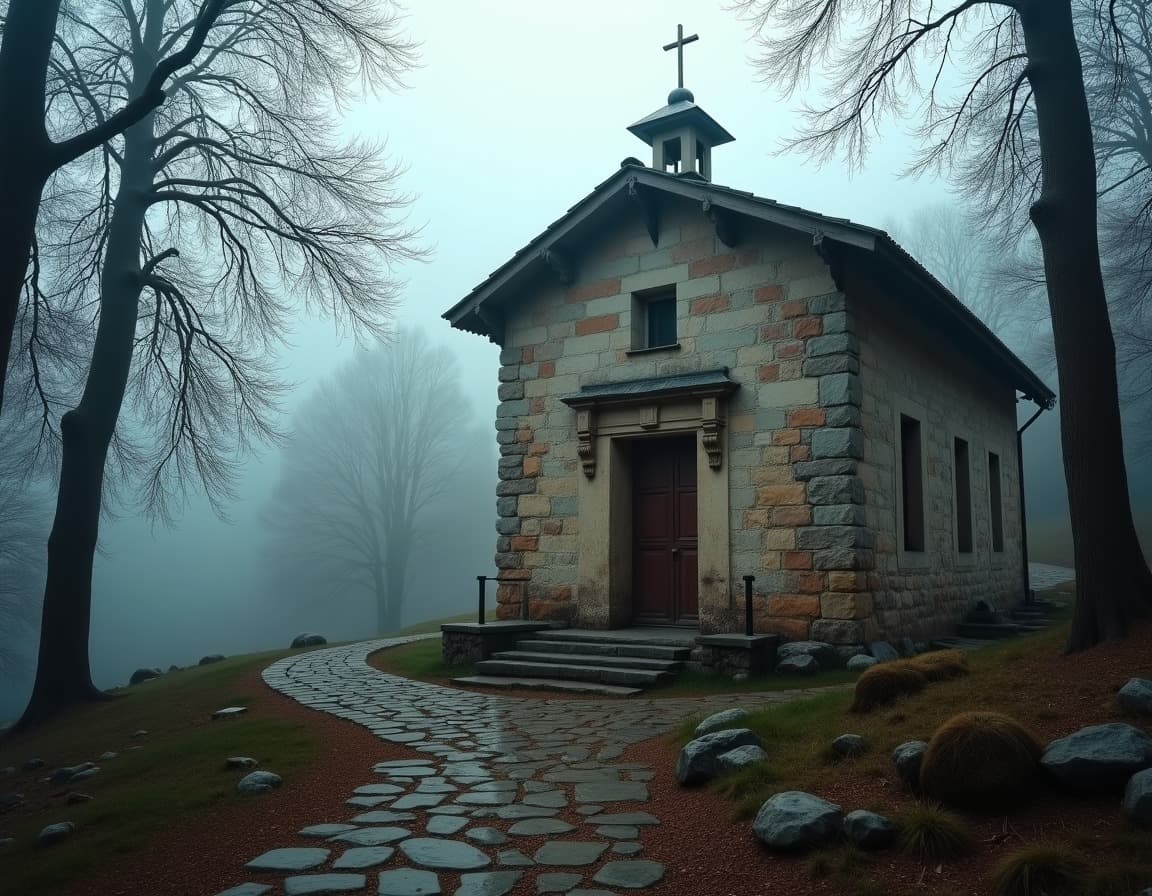
Albanian Church · Kiş Village
The oldest Christian church in the Caucasus — and the place where Thor Heyerdahl’s bust stands.
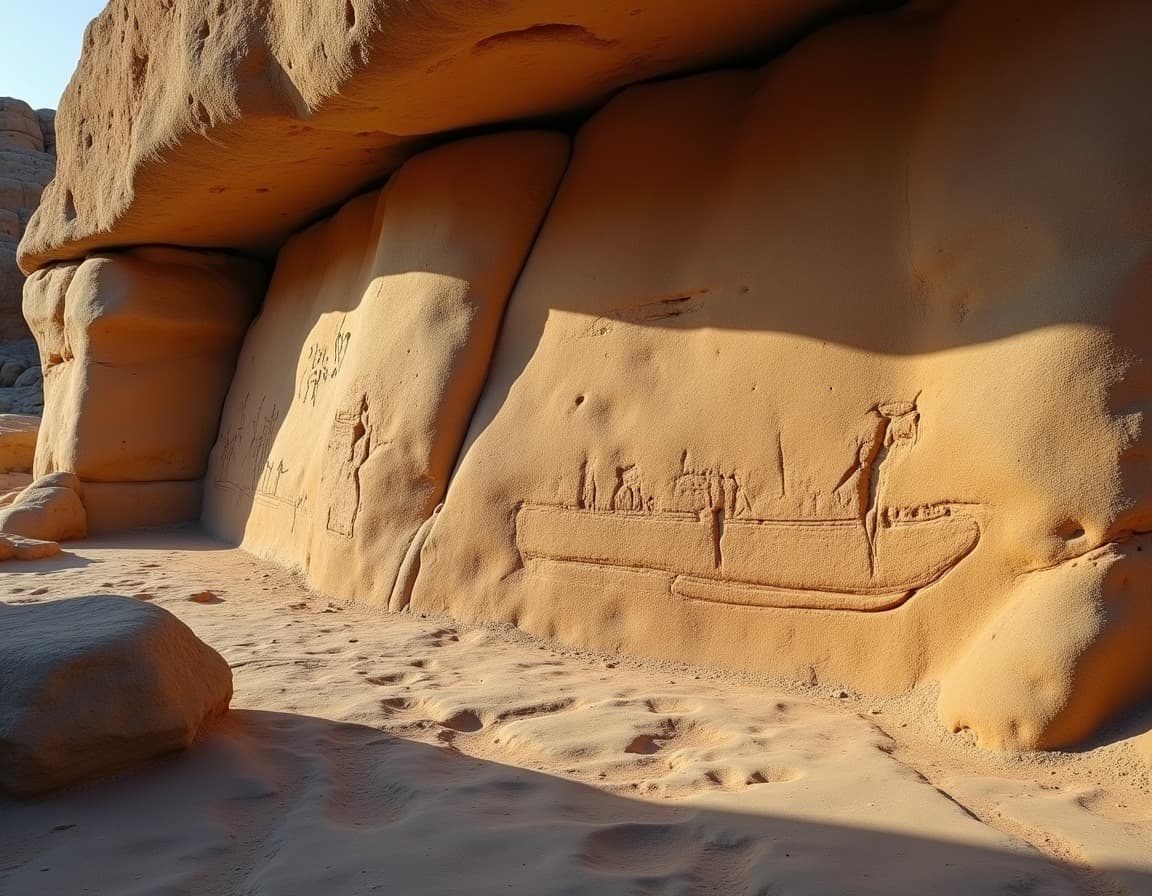
Gobustan Petroglyphs · Caspian Shore
8,000-year-old rock carvings showing long boats identical to Viking ships.
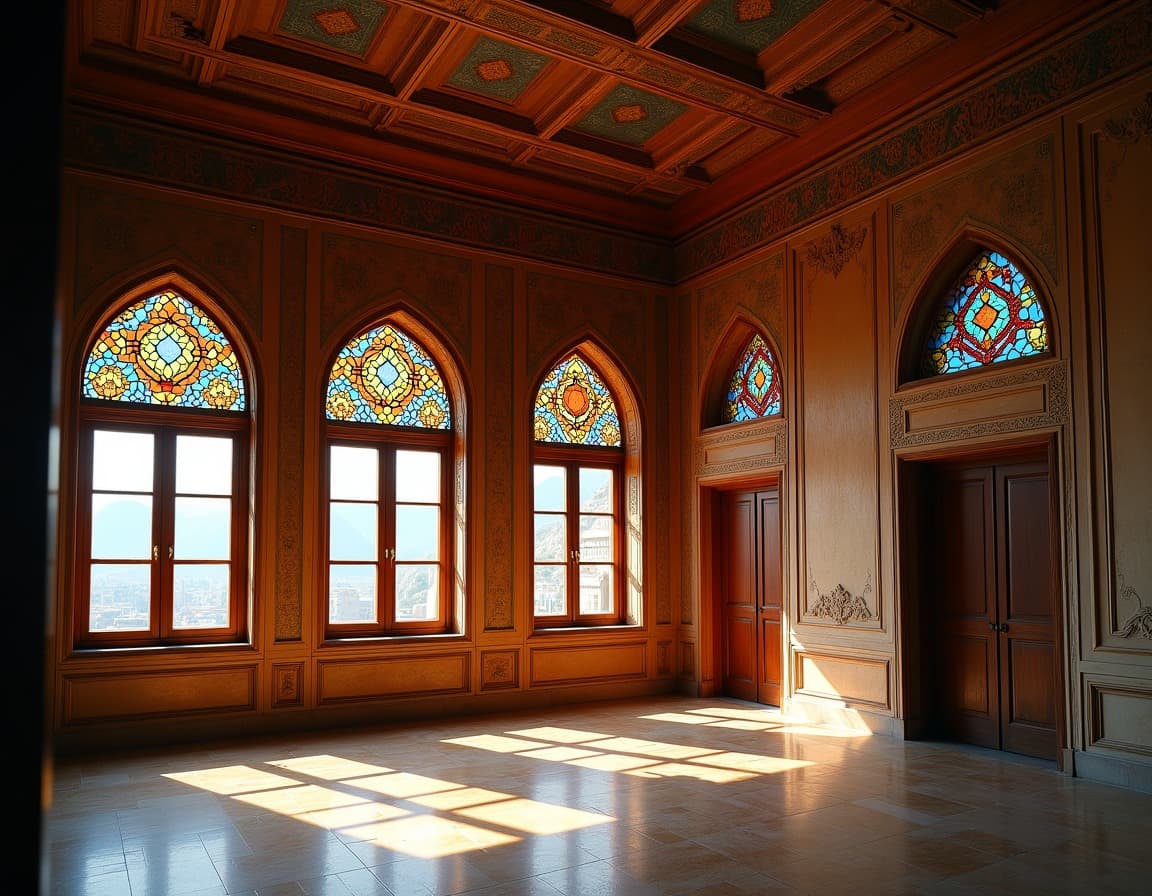
Palace of the Şeki Khans
The summer palace of the khans who built their fortune on silk.
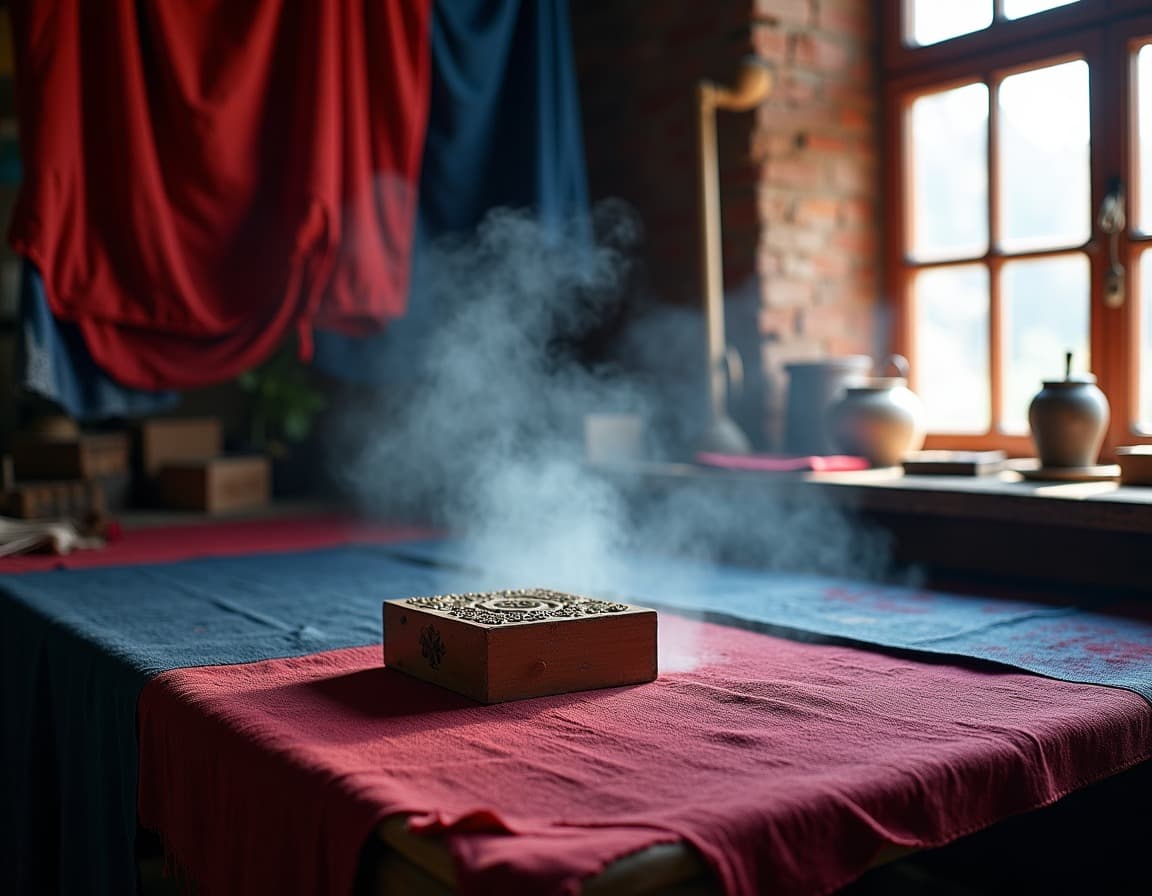
Kelaghayi Silk Centre · Basgal
A workshop of cauldrons, barrels and 300-year-old wooden stamps.
A NOTE ON THOR HEYERDAHL
“The Norwegian explorer spent two decades excavating at Kiş village, just outside Şeki, searching for evidence that the Caucasus was the ancestral homeland of the Norse people.”
Heyerdahl's theory remains contested by mainstream archaeology. But the petroglyphs are real. The similarities are real. And when Aino Mäkinen presses an iron-oxide motif from Finland's lakeside granite into Şeki silk, something closes that Heyerdahl spent his life trying to understand.
Navohi did not plan this. The material planned it.
Thor Heyerdahl (1914–2002) · Kiş, Azerbaijan
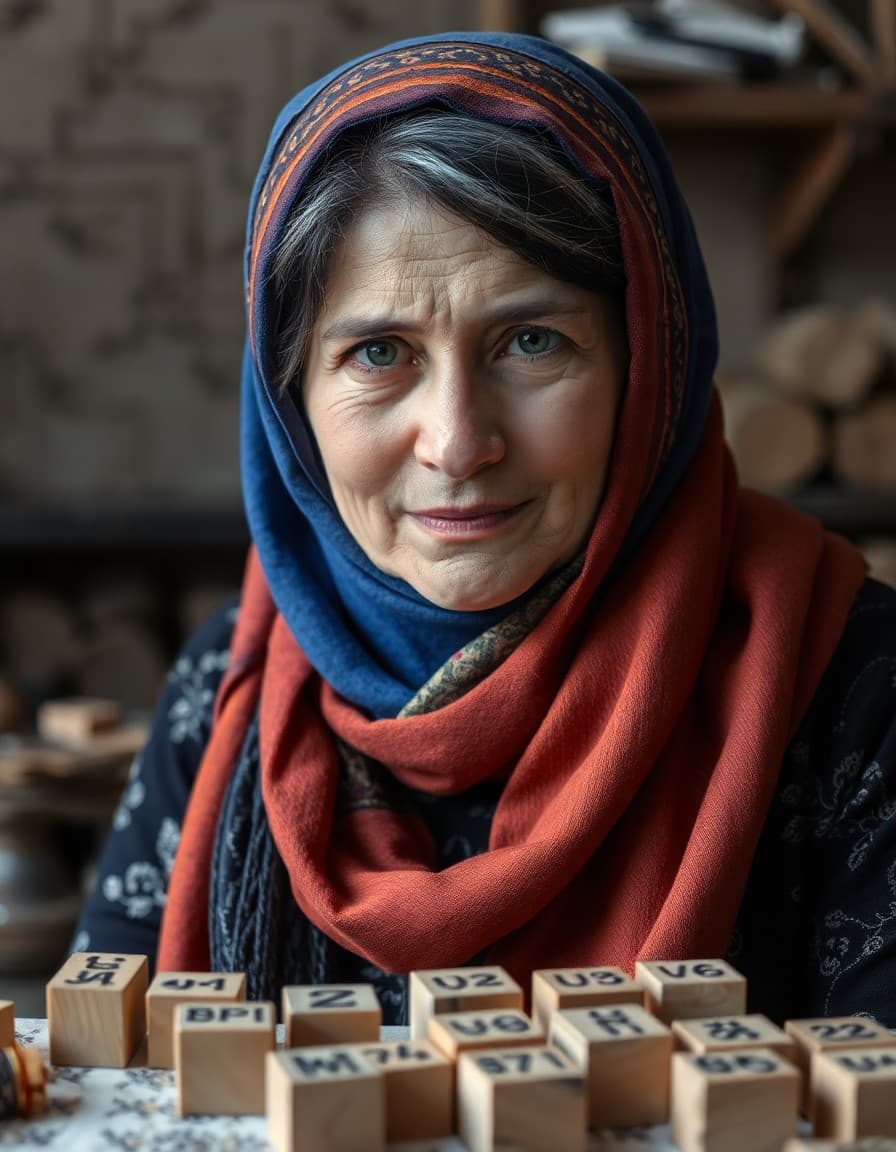
The master
Narmin Hasanova
4. generation kelaghayi master · Şeki, Azerbaijan
A fourth-generation kelaghayi artisan from Şeki, Narmin works at the crossroads of UNESCO-recognized tradition and global contemporary art. Every collection that leaves her workshop carries 500 years of Azerbaijani silk heritage.
Meet Narmin →The silk is ready. The next artist might be you.
Submit Your Work →